If you’ve ever typed useing or using and paused for a second, wondering which one is correct, you’re not alone. This is one of the most common spelling confusions in English writing, especially for learners and even native speakers.
The focus keyword useing or using often appears in searches because people want a simple, clear answer: which spelling is correct, and why?
In this guide, we’ll break it down in a very easy way so you’ll never get confused again. You’ll learn the correct spelling, the grammar rule behind it, and practical tips to avoid this mistake in the future.
What is Correct: Useing or Using?
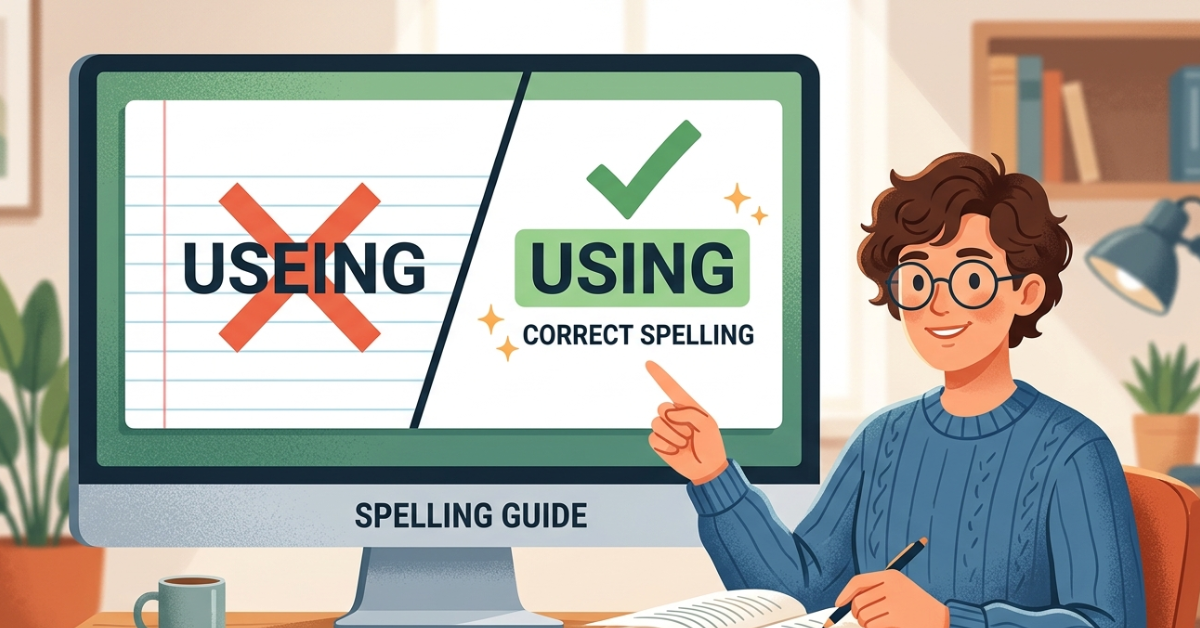
The correct spelling is using. The word “useing” is incorrect in standard English.
The confusion comes from how we form “-ing” verbs. Many people assume that just adding “ing” to “use” makes “useing,” but English spelling rules work differently here.
So whenever you see useing or using, remember:
- Correct: using
- Incorrect: useing
The keyword useing or using is often searched because this mistake is very common in informal writing and typing.
Why “Useing” is Incorrect in English Grammar
To understand useing or using, we need to look at the grammar rule behind it.
When a verb ends in a silent “e,” we usually drop the “e” before adding “-ing.”
Examples:
- make → making
- take → taking
- write → writing
- use → using
So, “use” becomes “using,” not “useing.”
This is why useing or using often confuses learners—the silent “e” rule is easy to forget when writing quickly.
Simple Rule to Remember “Using” Correctly
Here’s a quick trick to avoid mixing up useing or using again:
Drop the “E” Rule:
If a verb ends in “e,” remove it before adding “ing.”
Apply it like this:
- use → using
- hope → hoping
- drive → driving
Once you remember this pattern, the correct spelling becomes automatic.
Common Mistakes People Make
Even if you know the rule, mistakes still happen. Here are some reasons why useing or using confusion continues:
- Fast typing without checking spelling
- Influence of phonetic spelling (writing words as they sound)
- Lack of grammar practice
- Overthinking simple verb forms
Being aware of these mistakes helps you improve your writing accuracy.
Real-Life Usage Examples of “Using”
Let’s see how “using” is correctly applied in sentences:
- She is using her laptop for homework.
- We are using this method to solve the problem.
- They are using new technology in the project.
These examples show the correct form clearly, reinforcing why it must always be written as “using.”
Quick Comparison Table
| Incorrect | Correct |
| useing | using |
| useing or using | using |
This simple comparison makes it easy to remember the right spelling instantly.
FAQs About Useing or Using
1. Is “useing” ever correct in English?
No, “useing” is never correct. The proper spelling is always “using.”
2. Why do people write useing or using?
It usually happens due to spelling confusion with verbs ending in “e” and lack of grammar awareness.
3. How can I remember the correct spelling?
Just remember the rule: drop the “e” before adding “-ing.”
4. Is “using” a verb or noun?
“Using” is a verb in its present participle form.
5. What is the easiest way to avoid this mistake?
Practice writing sentences and apply the drop-the-e rule regularly.
Conclusion
Understanding the difference between useing or using is simple once you know the basic grammar rule. The correct form is always “using,” following the standard rule of dropping the silent “e” before adding “-ing.”
If you remember this small rule, you’ll never make this mistake again in writing. Keep practicing, and soon correct spelling will become second nature.
Mastering details like this improves your writing clarity and makes your communication more professional and confident.