You’ve probably typed a sentence, paused, and thought—wait, is it realized or realised? You’re not alone. This tiny spelling difference confuses students, writers, and even professionals every day.
The truth is simple, but understanding why both forms exist helps you use them confidently. In this guide, we’ll break down the difference between realized or realised, explain when to use each, and give you practical tips so you never second-guess your writing again.
Realized or Realised: What’s the Difference?
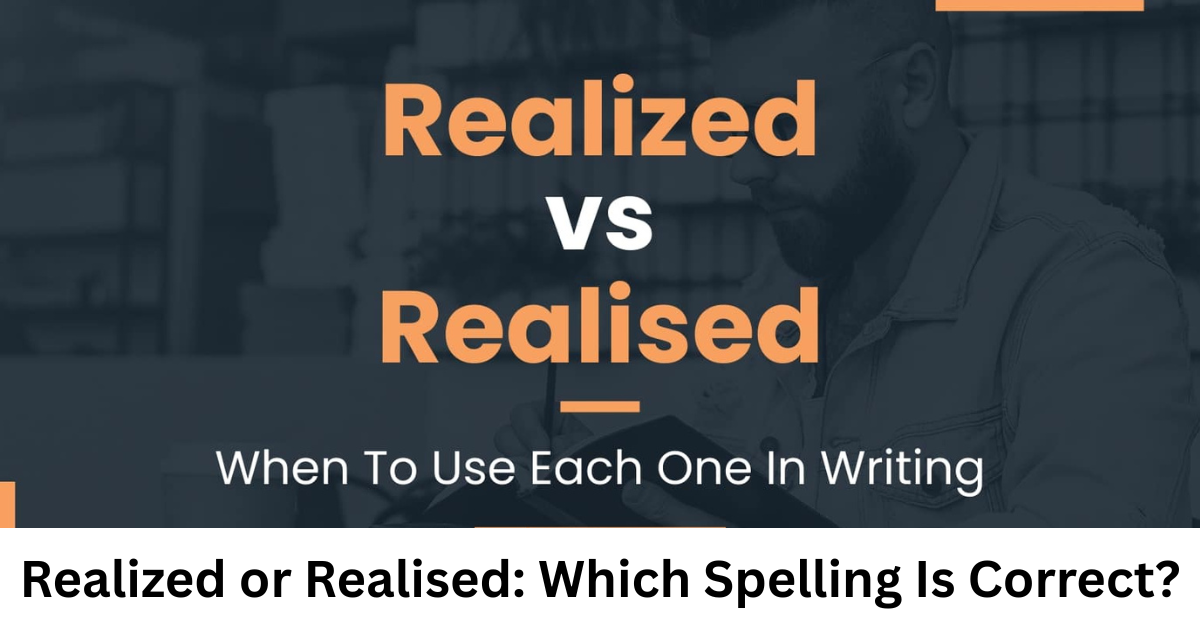
At its core, there’s no difference in meaning between realized and realised. Both words mean:
- Becoming aware of something
- Achieving or fulfilling something
- Making something real or concrete
The only difference lies in spelling conventions.
American vs British English
- Realized → American English
- Realised → British English
That’s it. The variation comes from regional spelling rules, not grammar or meaning.
Why Do These Two Spellings Exist?
The difference between realized and realised goes back to how English evolved over time.
H3: The “-ize” vs “-ise” Rule
Many English verbs can end in either:
- -ize (American preference)
- -ise (British preference)
Examples:
- Organize / Organise
- Recognize / Recognise
- Analyze / Analyse
Interestingly, “-ize” is actually older and comes from Greek roots. However, British English adopted “-ise” over time due to French influence.
Is It Realized or Realised in Formal Writing?
Here’s where things get practical.
H3: When to Use “Realized”
Use realized if you are:
- Writing for an American audience
- Following US academic or professional standards
- Using style guides like APA or Chicago
H3: When to Use “Realised”
Use realised if you are:
- Writing for a British, Australian, or international audience
- Following UK-based style guides
- Matching regional spelling consistency
The key rule: Be consistent throughout your writing.
How to Choose the Right Spelling
If you’re still unsure whether to write realized or realised, follow this quick checklist:
- Check your audience
- US readers → realized
- UK readers → realised
- Follow your institution or platform
- Universities or companies often have a preferred style
- Stick to one version
- Don’t mix both spellings in the same document
Common Mistakes to Avoid
Even though the difference is simple, people often make these errors:
- Mixing both spellings in one article
- Assuming one is “more correct” than the other
- Forgetting to adjust spelling for international audiences
Remember: both forms are correct—context decides which one fits.
Examples in Sentences
Seeing real usage makes it clearer:
- I realized I had left my keys at home. (American English)
- She realised her dream of becoming a designer. (British English)
Same meaning, different spelling.
FAQs
1. Is it realized or realised correct?
Both are correct. The difference depends on whether you’re using American or British English.
2. Which spelling should I use in academic writing?
It depends on your institution’s guidelines. American universities usually prefer realized, while British ones prefer realised.
3. Is “realize” wrong in British English?
Not necessarily. Some British publications still accept realize, but realise is more common.
4. Why does English have two spellings for the same word?
English evolved from multiple language influences, leading to regional spelling variations.
5. Does it affect SEO if I use realized vs realised?
Yes, slightly. It’s better to match the spelling your target audience is searching for.
Conclusion
So, is it realized or realised? The answer isn’t about right or wrong—it’s about where and how you’re writing.
If you’re writing for an American audience, go with realized. If your readers are more aligned with British English, realised is the better choice.
The most important takeaway? Stay consistent and write with clarity. Once you understand the pattern, this common confusion becomes an easy decision.
If you’re working on more writing or content creation, keep exploring similar language tips—you’ll notice your confidence growing with every word you write.