Have you ever stopped mid-conversation and wondered whether you should say washroom or bathroom? You’re not alone. These two words are often used interchangeably, yet they can mean slightly different things depending on culture, location, and context.
In homes, restaurants, offices, and public spaces, people use both terms naturally, but choosing the right one can sometimes feel confusing. This article breaks down the meaning, differences, usage, and design aspects in a simple and relatable way. Whether you’re writing formally, designing interiors, or simply improving your English vocabulary, understanding these terms can help you communicate more confidently.
What Does Bathroom Mean?
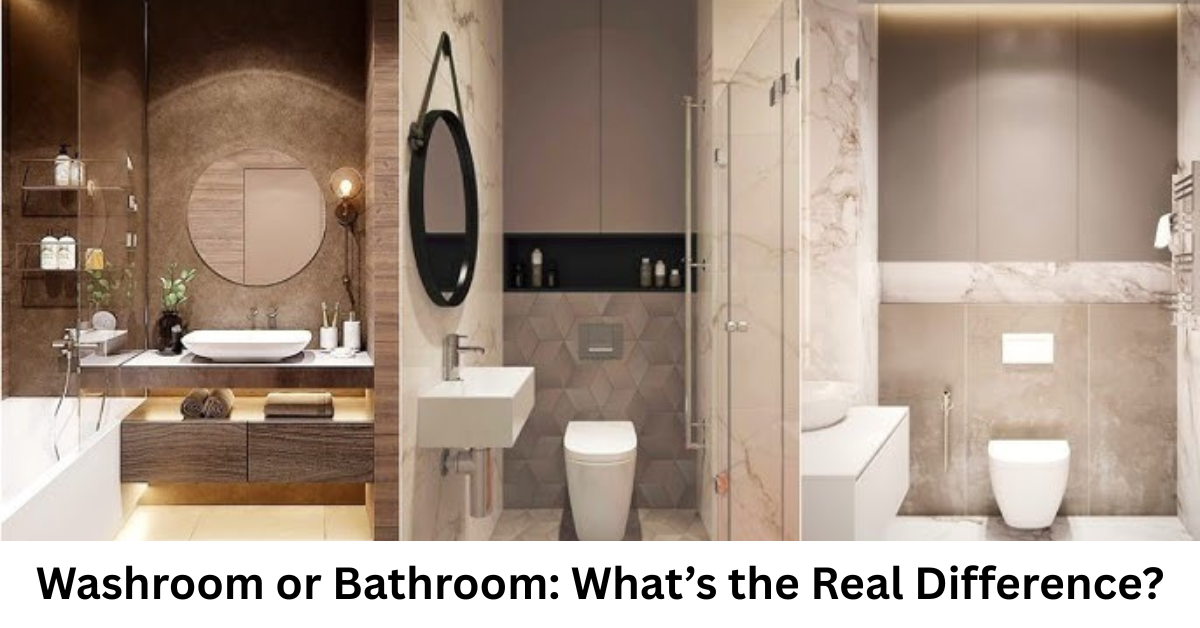
A bathroom is traditionally a room that contains a bathtub or shower. In modern homes, it usually includes:
- A toilet
- A sink or vanity
- A shower or bathtub
- Storage cabinets
- Mirrors and lighting fixtures
The word became popular in residential architecture because bathing spaces were once considered luxury areas inside homes.
Common Features Found in a Bathroom
Most modern residential spaces include:
- Wet and dry zones
- Ventilation systems
- Waterproof flooring
- Vanity counters
- Decorative tiles and fittings
Today, many people use the term even if the room does not actually contain a bathtub.
What Is a Washroom?
A washroom generally refers to a space primarily used for washing hands and using the toilet. The term is widely used in countries like Canada and parts of Asia because it sounds more polite and formal in public settings.
You’ll commonly hear it in:
- Shopping malls
- Airports
- Restaurants
- Offices
- Educational institutions
In many public buildings, the term feels softer and more socially comfortable than saying “toilet.”
Main Difference Between the Two
Although the meanings overlap, there are subtle distinctions.
| Feature | Bathroom | Washroom |
|---|---|---|
| Usually found in homes | Yes | Sometimes |
| Contains bathtub/shower | Often | Not necessary |
| Common in public spaces | Less common | Very common |
| Sounds formal | Moderate | More polite |
| Main purpose | Bathing and hygiene | Handwashing and toilet use |
The difference is often cultural rather than technical.
Which Term Is More Common Around the World?
Language preferences vary by region.
In the United States
People commonly say:
- Bathroom
- Restroom
In Canada
“Washroom” is the more common public term.
In the UK
You may hear:
- Toilet
- Loo
- Bathroom
In Pakistan and South Asia
Both words are widely understood, though many people prefer “washroom” in formal conversation.
Why the Choice of Word Matters
The terminology you use can influence tone and professionalism.
For example:
- In restaurants or offices, “washroom” sounds more courteous.
- In residential interior design, “bathroom” is more accurate.
- In property listings, the word choice can affect clarity and style.
Small language differences can shape how polished communication feels.
Modern Interior Design Trends for These Spaces
Today, these spaces are no longer purely functional. They are becoming relaxing and aesthetic environments that reflect personal style.
Popular Design Trends
Minimalist Layouts
Clean lines, floating vanities, and hidden storage create a calm atmosphere.
Natural Materials
Wood textures, stone finishes, and earthy tones add warmth and elegance.
Smart Fixtures
Motion-sensor lighting, touchless faucets, and smart mirrors are becoming increasingly popular.
Spa-Inspired Styling
Many homeowners now include:
- Warm lighting
- Indoor plants
- Scented candles
- Textured towels
- Neutral color palettes
These details transform ordinary spaces into peaceful retreats.
Tips for Designing a Functional Space
Whether large or small, functionality matters just as much as appearance.
1. Prioritize Ventilation
Good airflow prevents moisture buildup and mold growth.
2. Use Proper Lighting
Layered lighting improves both practicality and ambiance.
3. Choose Water-Resistant Materials
Durable surfaces increase longevity and reduce maintenance.
4. Maximize Storage
Floating shelves and recessed cabinets help reduce clutter.
5. Maintain a Cohesive Color Palette
Soft neutrals often create a cleaner and more spacious feel.
Common Mistakes People Make
Many people unknowingly misuse these terms in writing or conversation.
Frequent Errors
- Calling every restroom a bathroom
- Using overly informal wording in professional settings
- Ignoring regional language differences
- Confusing architectural definitions with casual usage
In reality, context matters more than strict grammar rules.
Cultural Influence on Language Usage
Language evolves through social habits. Over time, certain words become more accepted in specific environments.
For example, hospitality industries often prefer softer wording because it feels more welcoming. Meanwhile, architects and interior designers may use technical terms depending on the layout and function of the room.
This is why both expressions continue to exist side by side.
How Interior Designers View These Spaces
Interior designers focus on more than appearance. They consider:
- User comfort
- Accessibility
- Lighting psychology
- Space planning
- Material durability
- Moisture management
A thoughtfully designed hygiene space can significantly improve the overall feel of a home.
FAQs
Is there an actual difference between these two terms?
Yes, traditionally one refers to a bathing area while the other focuses more on washing and toilet use. However, modern usage often overlaps.
Which word sounds more polite?
In public or professional settings, “washroom” is usually considered more polite.
What should I say in a restaurant or office?
Most people prefer “washroom” or “restroom” in formal environments.
Can a room be both?
Absolutely. Many residential spaces function as both bathing and washing areas.
Which term is more common in homes?
“Bathroom” is generally more common for residential spaces.
Why do designers care about terminology?
Correct terminology improves communication during planning, construction, and client discussions.
Conclusion
Understanding the difference between washroom or bathroom is easier once you look at context, function, and regional language habits. While the meanings often overlap in everyday conversation, each term carries a slightly different tone and purpose.
Beyond vocabulary, these spaces have evolved into important parts of modern living and interior design. From smart storage to spa-inspired aesthetics, they now combine comfort, hygiene, and style in meaningful ways.
If you’re planning a renovation, studying design, or simply improving your language skills, knowing when and how to use the right term can make communication feel more natural and polished.