Relate To or Relate With: What’s the Difference?
Have you ever paused while writing a sentence and wondered whether you should say “relate to” or “relate with”? You…
Grammar is the foundation of clear communication. In this section, you’ll find simple explanations, practical rules, and real-life examples that help you understand how language works. Whether you’re brushing up on basics or refining your writing skills, this category makes grammar easy to learn and apply.
Have you ever paused while writing a sentence and wondered whether you should say “relate to” or “relate with”? You…
Have you ever stopped mid-conversation and wondered whether you should say washroom or bathroom? You’re not alone. These two words…
Have you ever typed “sleave” and suddenly wondered if it was actually correct? You are not alone. The confusion between…
Have you ever heard someone describe a lifestyle as “bourgeois” or refer to a social class as the “bourgeoisie” and…
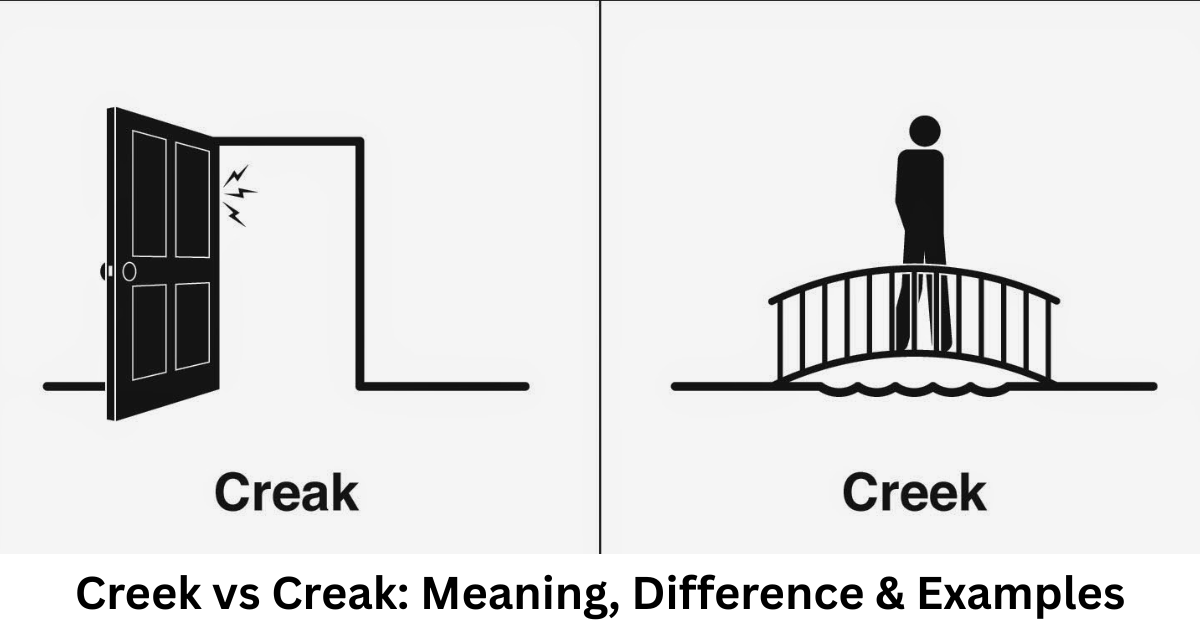
English can be tricky, especially when two words sound almost identical but mean completely different things. One such confusing pair…
The terms inactivate or deactivate are commonly used in digital platforms, apps, and technical systems when something needs to be…
Many English learners often get confused between prove or proof, and for good reason—they are closely related but work differently…
Have you ever hesitated over the choice? That tiny preposition can make a sentence sound either natural or awkward, and…
When people search for career or carrer, they are often trying to understand how to plan their future and choose…
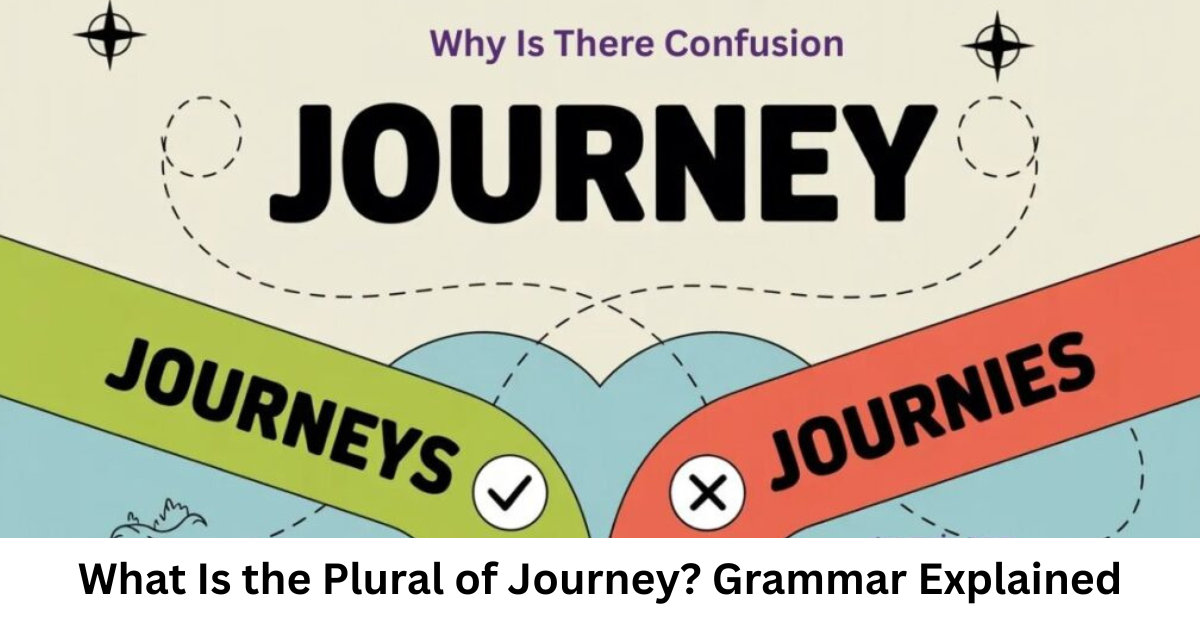
If you’ve ever paused while writing and wondered what is the plural of journey, you’re not alone. English grammar can…