
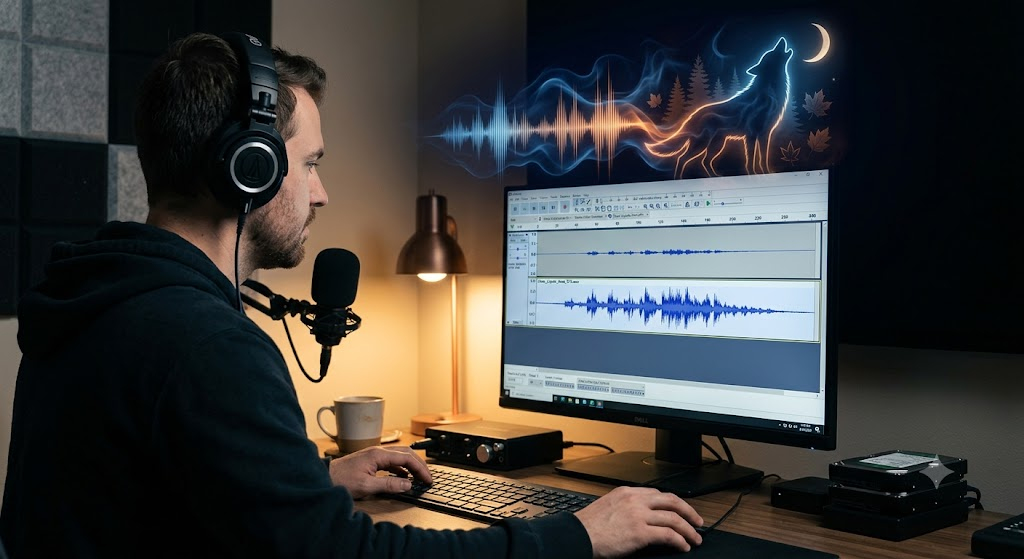
Have you ever sat outside on a cool autumn night and heard a wild song floating through the trees? That ghostly yip and wail belongs to one of nature’s smartest survivors. People love using a Clean Coyote Howl Sound Effect in creative projects to bring the great outdoors straight to their audience. Whether you are editing a spooky campfire video for YouTube, building a level for an indie video game, or setting the scene for a school theater play, the right audio makes all the difference. When you search for audio, you want something sharp and clear without background noise like buzzing wind or distant traffic. Finding that pristine sound can turn a simple scene into a thrilling adventure that keeps people glued to the screen. Let us dive into everything you need to know about finding and using these amazing animal vocalizations safely and creatively.
What Makes a Good Coyote Sound Effect?
When you hunt for a clean coyote howl sound effect, audio quality is your absolute best friend. A truly great clip captures the crisp yips, barks, and the long, eerie vocal rise without any annoying static or loud wind interference. Sound designers work very hard in recording studios and quiet forests to isolate these exact animal calls. If an audio file has too much background hiss, it becomes very hard to mix into your video project smoothly. You want a file where the animal sounds close, rich, and full of natural emotion. This high level of clarity lets you tweak the volume easily, making it whisper quietly in the background or blast loudly during a dramatic cinematic moment. Taking a few extra minutes to test different audio samples saves you hours of frustrating cleanup work later on.
Why Creators Love Using Wildlife Audio
Creators across the globe rely on a clean coyote howl sound effect because it instantly sets a powerful mood. Think about classic western movies or mysterious midnight mysteries; that iconic desert song creates immediate tension and excitement. It whispers of wide-open spaces, lonely canyons, and untouched wilderness under a blanket of bright stars. Using these organic sounds helps connect urban viewers to the beauty of the natural world without ever leaving their living rooms. It is a fantastic storytelling shortcut that triggers deep human emotions like wonder, mystery, and a tiny shiver of fear. When your audience hears that distinct howl, their brains automatically paint a vivid picture of moonlight, shadows, and wild untamed landscapes.
Best Places to Find Free Audio Clips
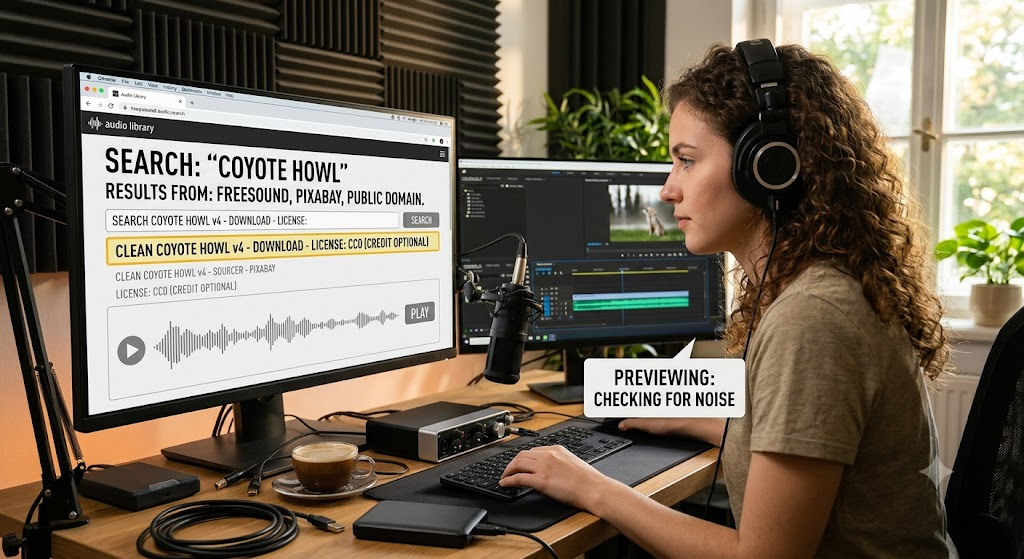
If you need a clean coyote howl sound effect right now, you have some wonderful free options online. Websites like Freesound and the Pixabay audio library offer massive collections shared by generous field recordists and sound artists. Before downloading anything, always check the specific license attached to the audio file to see if you need to credit the creator. Some libraries let you use the sound freely for personal projects, while commercial YouTube videos might require a quick attribution link in your description. Exploring public domain archives is another smart way to uncover rare historical recordings of wild animal calls. Always preview the audio tracks using good headphones to catch any hidden pops, clicks, or muffled noises before dropping them into your timeline.
Understanding Coyote Vocalizations
To use a clean coyote howl sound effect correctly, it helps to understand why these clever animals actually make noise. Coyotes are very social creatures that use complex vocalizations to talk to their family groups and protect their home territory. A typical sequence often starts with short, staccato yips that quickly build into a long, rising melodic howl. They sing to announce their location to other packs, find wandering family members, or celebrate a successful hunt. Knowing how these sounds progress naturally helps you place the audio in your video at the right moment. If a coyote howls in broad daylight during a scene set at noon, seasoned wildlife fans might feel a bit confused since these clever canines are mostly nocturnal singers.
Tips for Editing Audio Like a Pro
Even the best clean coyote howl sound effect might need a little polish to fit your specific video project. Dropping raw audio straight into your editing software can sometimes create harsh volume jumps that startle your listeners. Try applying a gentle fade-in and fade-out effect so the sound drifts in and out of your scene like a real breeze. You can also play around with reverb settings to make the howl sound like it is echoing across a vast, empty mountain canyon. If your background music is playing loudly, duck the music track slightly whenever the coyote audio peaks so every single yip remains crystal clear and easy to hear. Small editing tricks like these elevate your amateur video into a polished, professional masterpiece.
Copyright Rules You Need to Know
Before tossing a clean coyote howl sound effect into your monetized channel, you must understand copyright basics. Grabbing random clips from Google without checking permissions can lead to annoying copyright strikes or muted videos on social media. Always download your audio files from reputable sound platforms that clearly state whether the content is royalty-free or Creative Commons. If a track requires attribution, simply paste the creator’s name and link neatly into your video info box. Taking these small legal steps protects your hard work, supports independent audio engineers, and keeps your online channels safe, healthy, and growing for years to come.
Creative Ways to Use Wildlife Sounds
You can feature a clean coyote howl sound effect in far more places than just standard wilderness documentaries. Game developers love weaving these spooky nighttime vocalizations into survival horror games to keep players on edge. Podcasters use subtle animal background ambiances to build immersive audio-drama stories that transport listeners deep into the woods. Teachers can even add these fun audio clips to interactive science lessons when talking about North American mammals and ecology. The only real limit is your own imagination, so feel free to experiment with different audio mixing styles to see what fits your creative vision best.
Equipment Used by Field Recordists
Capturing a truly clean coyote howl sound effect requires patience, specialized gear, and a whole lot of luck. Professional wildlife recordists use high-end directional shotgun microphones mounted on sturdy tripods to capture sounds from far away. They also slip fuzzy windbreakers, often called deadcats, over their mics to block out rushing wind noise during stormy nights. Portable digital field recorders let artists travel deep into state parks and nature reserves to capture pure, untouched acoustic moments. Listening to these crisp field recordings reminds us how incredible our planet sounds when we take a quiet moment to just stop, look, and listen to the wild.
Common Mistakes to Avoid
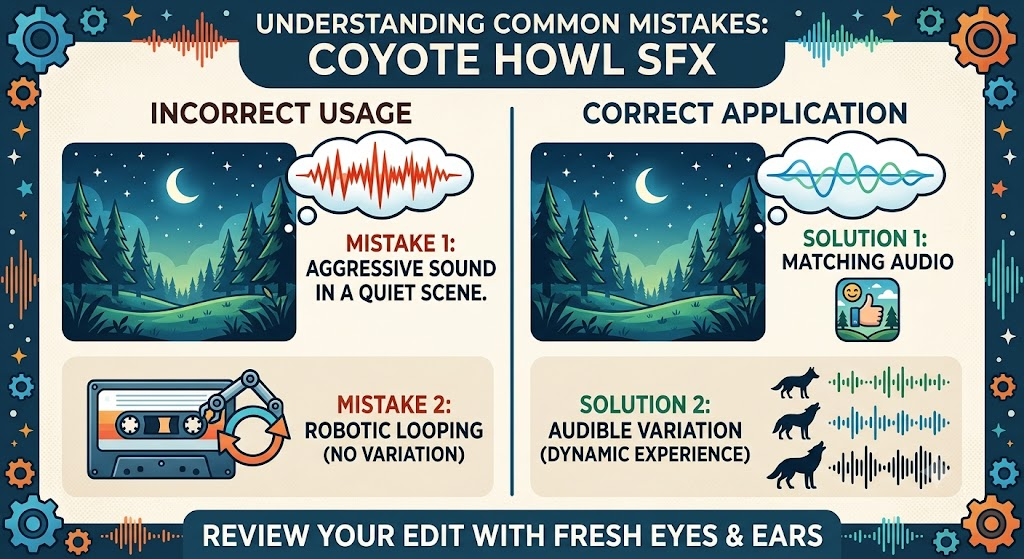
Working with a clean coyote howl sound effect is fun, but beginners sometimes make a few easy-to-fix mistakes. One common error is using a sound clip that sounds way too loud and aggressive for a quiet, peaceful forest scene. Another mistake is looping the exact same howl over and over again without any variation, which sounds robotic to human ears. Make sure your audio matches the visual mood of your project, whether you are trying to create pure terror, peaceful wonder, or quiet loneliness. Taking time to review your finished edit with fresh eyes and ears will help you spot these little audio hiccups before sharing your work with the world.
Future Trends in Digital Sound Design
The world of audio production is changing fast, making a clean coyote howl sound effect easier to access than ever before. New software tools powered by smart audio technology can now clean up noisy outdoor recordings with just a single click. Spatial audio and virtual reality formats are also growing rapidly, letting creators place sound effects in full 360-degree virtual spaces. This means a coyote howl can sound like it is moving from behind your left shoulder right across to the front of the room. Staying curious about these exciting audio innovations ensures your creative projects always sound fresh, modern, and deeply engaging for every listener.
Conclusion
Finding and using a clean coyote howl sound effect is a wonderful way to bring magic, mystery, and atmosphere to your creative projects. By focusing on crisp audio quality, respecting copyright guidelines, and editing your tracks with care, you can craft truly memorable experiences for your audience. What kind of project are you planning to use this wild audio in today? Drop a comment below and share your creative ideas with our community!
Frequently Asked Questions
What is the best format for a clean coyote howl sound effect?
Uncompressed WAV files provide the highest possible audio quality for video editing, while high-bitrate MP3 files work great for smaller web projects.
Can I use these sound effects for monetized YouTube videos?
Yes, as long as you download royalty-free audio from reputable platforms or properly credit the original creator according to their specific license terms.
How do I remove background wind noise from wildlife audio?
You can use audio editing software like Audacity or Adobe Audition to apply noise reduction filters and gentle high-pass EQ settings.
Are coyote howls recorded in the wild or in captivity?
Most professional sound effects are captured in the wild by dedicated field recordists using directional microphones and specialized portable recorders.
Why do coyotes howl at night?
Coyotes howl to communicate with family members, defend their territory boundaries, and keep track of other pack members in the dark.
How can I make a sound effect echo like a real canyon?
You can easily add realistic depth and spatial distance to your audio track by applying a subtle reverb effect in your video editor.