Ever typed a quick text and wondered if your spelling might change the meaning? That’s where message spelling meaning becomes important. In today’s fast-paced digital world, the way we spell words in messages—whether texts, emails, or social media—can shape how our message is understood.
This article breaks down what message spelling really means, why it matters, and how you can improve it without overthinking every word.
What Is Message Spelling Meaning?
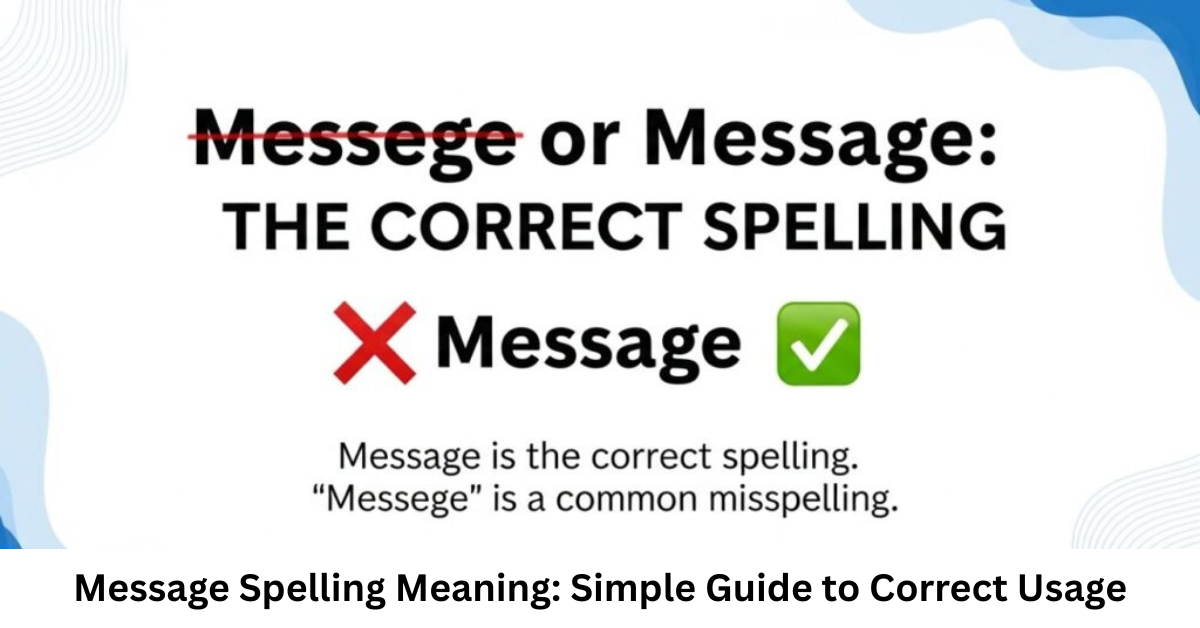
At its core, message spelling meaning refers to how the spelling of words in a message affects its clarity, tone, and interpretation. Even a small typo can shift the meaning entirely or make your message confusing.
For example:
- “Your amazing” vs. “You’re amazing”
- “Lets go” vs. “Let’s go”
These may seem minor, but they change how your message is perceived.
Why Message Spelling Matters
1. Clear Communication
Correct spelling ensures your message is easy to understand. Poor spelling can confuse the reader or make them misinterpret your intent.
2. First Impressions
Whether it’s a job email or a casual DM, spelling reflects your attention to detail.
3. Professionalism
In formal communication, accurate spelling builds credibility and trust.
Common Message Spelling Mistakes
Here are some frequent errors people make in everyday messaging:
- Confusing homophones:
- Their / There / They’re
- Your / You’re
- Missing punctuation:
- Cant vs. Can’t
- Ill vs. I’ll
- Overusing abbreviations:
- “u” instead of “you”
- “msg” instead of “message”
- Typos due to speed:
- “definately” instead of “definitely”
- “recieve” instead of “receive”
How to Improve Your Message Spelling
1. Slow Down While Typing
Rushing leads to mistakes. Even a quick re-read can fix most errors.
2. Use Built-in Spell Check
Most devices and apps offer automatic correction—use it wisely, but don’t rely on it blindly.
3. Learn Commonly Confused Words
Make a habit of remembering tricky word pairs.
4. Read More
Reading improves your natural sense of correct spelling and sentence structure.
5. Practice Daily
Writing regularly—texts, captions, or notes—helps reinforce good habits.
Message Spelling in Digital Communication
In informal settings like texting or social media, people often bend spelling rules for convenience or style. However, balance is key.
Acceptable Informal Usage
- Shortened words in casual chats
- Emojis replacing words
When to Be Careful
- Work emails
- Academic writing
- Professional messages
Your audience should always guide your spelling style.
Tips for Better Messaging Clarity
- Keep sentences short and simple
- Avoid unnecessary slang in formal contexts
- Double-check names and important details
- Use punctuation to avoid confusion
FAQs
1. What does message spelling meaning refer to?
It refers to how the spelling in a message affects its clarity, tone, and understanding.
2. Why is correct spelling important in messages?
It helps avoid confusion, improves readability, and creates a positive impression.
3. Is it okay to use short forms in messages?
Yes, but only in informal contexts. Avoid them in professional communication.
4. How can I improve my spelling quickly?
Practice writing, read regularly, and use spell-check tools while proofreading your messages.
5. Do spelling mistakes really change meaning?
Yes, even small errors can completely alter the intended message or make it unclear.
Conclusion
Understanding message spelling meaning isn’t just about avoiding mistakes—it’s about communicating clearly and confidently. Whether you’re sending a quick text or writing something important, the way you spell words directly impacts how your message is received.
Start by paying attention to small details, practice regularly, and adjust your style based on your audience. Over time, clear and accurate spelling will become second nature—and your messages will always hit the right tone.