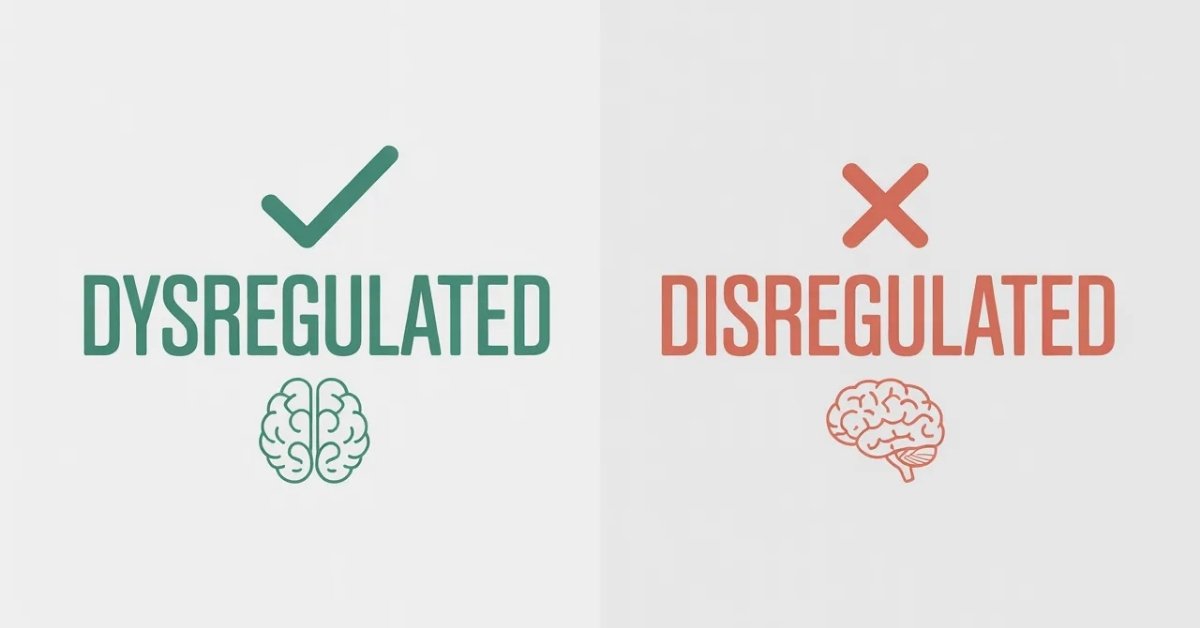
Have you ever typed disregulated or dysregulated and wondered which version is actually right? You are not alone. Many people search for this confusing pair of words because they look similar, sound close, and both seem like they should be valid.
The short answer is simple: dysregulated is the correct and widely accepted term in medicine, psychology, and everyday professional writing. Disregulated is usually considered a misspelling or uncommon variant. In this article, we’ll break down the difference, explain why the confusion happens, and show how to use the right word naturally.
What Does Dysregulated Mean?
The word dysregulated refers to something that is not functioning or being regulated properly. It is often used when a system in the body or mind is out of balance.
You may hear it in contexts such as:
- Emotional control
- Nervous system function
- Hormone balance
- Immune responses
- Behavior patterns
For example:
- A person under chronic stress may have a dysregulated nervous system.
- Trauma can lead to dysregulated emotions.
- Sleep loss may contribute to a dysregulated stress response.
The prefix dys- comes from Greek and means bad, difficult, impaired, or abnormal. That is why the word makes sense in health-related language.
Is Disregulated a Real Word?
Technically, some people use disregulated, but it is far less common and generally not preferred in modern English. In most dictionaries, clinical texts, and academic writing, dysregulated is the standard term.
Why? Because the prefix dis- usually means:
- Opposite of
- Lack of
- Removal of
- Separation from
Examples include:
- Disconnected
- Disorganized
- Disapprove
So while “disregulated” may seem logical, it does not accurately reflect the intended medical meaning of impaired regulation as well as dysregulated does.
Why People Confuse These Words
There are a few reasons why this spelling mistake happens so often:
1. Similar Sound
Both words look and sound close enough that many people assume either spelling works.
2. Common Prefix Habit
Writers are more familiar with dis- words than dys- words, so the brain often defaults to what feels familiar.
3. Autocorrect and Fast Typing
Search engines and typing apps may not always catch the difference immediately.
Where Dysregulated Is Commonly Used
Mental Health and Psychology
Therapists often use the word when discussing emotional overwhelm or difficulty self-soothing.
Examples:
- dysregulated mood
- dysregulated attachment responses
- dysregulated behavior
Medical and Biological Contexts
Doctors or researchers may use it to describe systems that are not functioning normally.
Examples:
- dysregulated hormones
- dysregulated metabolism
- dysregulated immune activity
Everyday Wellness Conversations
Even outside clinical settings, the word appears in discussions about stress, burnout, and trauma recovery.
How to Remember the Correct Spelling
A simple trick:
Dys = Dysfunction
Both begin with dys, which can help you remember that the term usually relates to impaired or abnormal function.
If you are talking about emotions, health systems, or regulation problems, dysregulated is almost always the better choice.
Examples in Sentences
Here are natural examples:
- After weeks of stress, she felt emotionally dysregulated.
- Poor sleep can leave the body dysregulated.
- The therapist explained how trauma affects a dysregulated nervous system.
- Children may appear dysregulated when overwhelmed.
Common Mistakes to Avoid
When writing professionally, avoid these errors:
- Using disregulated in academic papers
- Mixing both spellings in one article
- Assuming they are interchangeable
- Using the term without understanding the context
SEO Note: Which Term Should You Use?
If you are writing content online, use the phrase disregulated or dysregulated once early to match search intent, then use dysregulated naturally throughout the article. This helps readers find the answer quickly while maintaining accuracy.
FAQs
Is dysregulated the correct spelling?
Yes. It is the accepted and commonly used spelling in psychology, medicine, and wellness discussions.
Can I use disregulated instead?
It is usually considered incorrect or nonstandard. Use dysregulated instead for clarity and credibility.
What does emotionally dysregulated mean?
It means someone is struggling to manage emotional responses and may feel overwhelmed, reactive, or unable to self-soothe.
Why does dysregulated start with dys?
The prefix dys- means abnormal, impaired, or difficult functioning.
Is dysregulated a medical term?
Yes. It is often used in healthcare, neuroscience, psychology, and biology.
Conclusion
If you have been wondering about disregulated or dysregulated, the correct and trusted choice is dysregulated. It accurately describes impaired regulation in emotions, body systems, or behavior, while the other spelling is uncommon and often treated as an error.
When in doubt, choose the form used by professionals, dictionaries, and experts. If language precision matters in your writing, this small spelling change makes a big difference.