Ever received a message with “iMsg” and paused for a second, wondering what it meant? You’re not alone. In today’s fast-moving digital world, abbreviations pop up everywhere—and understanding them can save you from confusion.
So, what does imsg mean in text? In simple terms, it usually refers to iMessage, Apple’s messaging service. But depending on context, it can also hint at something slightly different. In this guide, we’ll break it down in plain English so you can confidently understand and use it.
What Does imsg Mean in Text ?
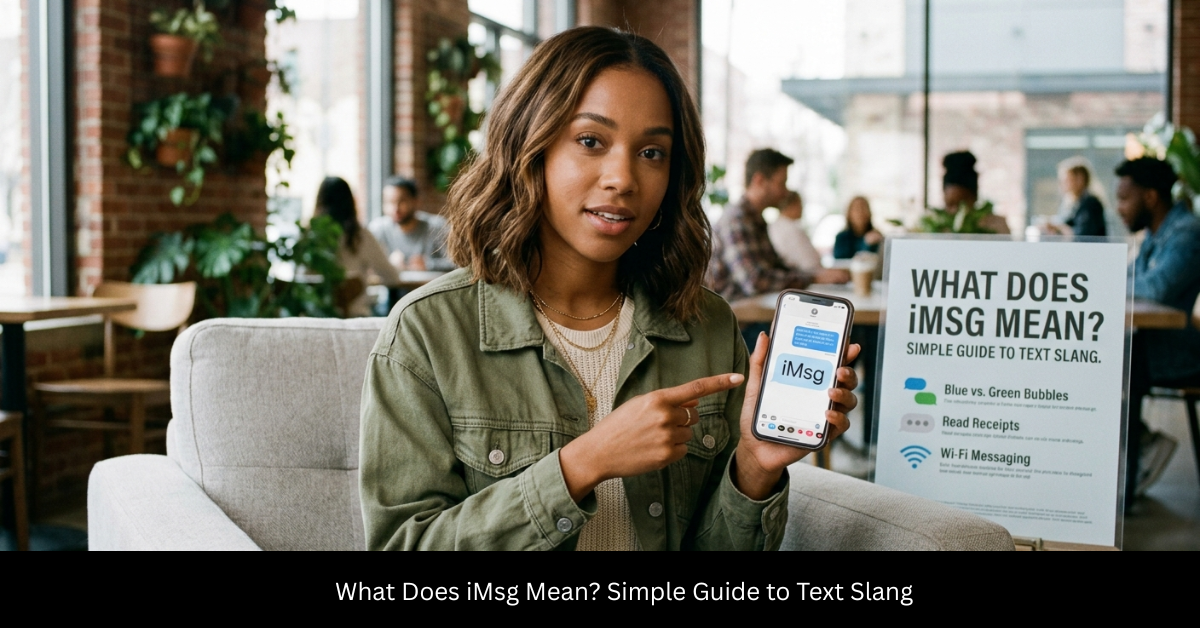
At its core, iMsg is shorthand for iMessage, Apple’s instant messaging platform available on iPhones, iPads, and Macs.
Quick Definition:
- iMsg = iMessage (Apple messaging service)
People often shorten words while texting to save time, and “iMsg” is just a quick, informal way of referring to Apple’s messaging app.
Where Does “iMsg” Come From?
The term comes directly from iMessage, which Apple introduced in 2011 as part of its messaging ecosystem.
Why People Use “iMsg”:
- Faster to type than “iMessage”
- Common in casual conversations
- Popular among younger users and tech-savvy groups
It’s similar to how people shorten:
- “message” → “msg”
- “because” → “bc”
Different Contexts of iMsg
While the most common meaning is iMessage, context always matters in texting.
1. Referring to Apple Messaging
Example:
- “I’ll iMsg you later.”
Meaning: I’ll message you using iMessage.
2. Asking About Platform
Example:
- “Did you send it on iMsg?”
Meaning: Was it sent via iMessage instead of SMS or another app?
3. Rare Alternate Use
In very rare cases, some people might use “iMsg” loosely just to mean “instant message,” but this is uncommon.
iMsg vs SMS vs Other Messaging Apps
Understanding iMsg becomes clearer when you compare it with other messaging methods.
iMessage (iMsg)
- Works over the internet (Wi-Fi or data)
- Exclusive to Apple devices
- Shows blue message bubbles
SMS (Text Messages)
- Uses cellular network
- Works on all phones
- Shows green message bubbles on iPhone
Other Messaging Apps
- WhatsApp, Messenger, etc.
- Require internet
- Work across platforms
How to Use iMsg in Conversations
Using “iMsg” is simple and informal. You’ll mostly see it in casual chats.
Examples:
- “Send me the details on iMsg.”
- “I didn’t get your iMsg.”
- “Switch to iMsg, it’s faster.”
Tips:
- Use it in informal settings only
- Avoid it in professional or formal writing
- Make sure the other person understands the term
Why Understanding Slang Like iMsg Matters
Texting slang evolves quickly, and knowing terms like what does iMsg mean helps you:
- Communicate more naturally
- Avoid misunderstandings
- Stay updated with digital trends
It’s especially useful if you interact with global audiences or younger users.
Common Mistakes to Avoid
Even simple abbreviations can be misunderstood. Here are a few things to watch out for:
- Confusing iMsg with SMS
They’re not the same—iMsg uses internet, SMS uses cellular. - Using it in formal writing
It’s casual slang, not professional language. - Assuming everyone knows it
Some people may not be familiar with Apple-specific terms.
FAQs
What does iMsg mean on iPhone?
It refers to iMessage, Apple’s built-in messaging service that sends texts over the internet.
Is iMsg the same as texting?
Not exactly. iMsg uses internet data, while traditional texting (SMS) uses your cellular network.
Can Android users use iMsg?
No, iMessage (and iMsg) is exclusive to Apple devices.
Why do people say iMsg instead of iMessage?
It’s shorter, quicker to type, and fits the style of casual texting.
Does iMsg cost money?
It doesn’t cost per message, but it uses internet data (Wi-Fi or mobile data).
Conclusion
By now, you’ve got a clear answer to what does imsg mean in text. It’s simply a shortened way of referring to Apple’s iMessage service, widely used in casual texting.
Understanding terms like this keeps you in sync with modern communication and helps you avoid awkward misunderstandings. Next time you see “iMsg,” you’ll know exactly what’s going on—and maybe even start using it yourself.